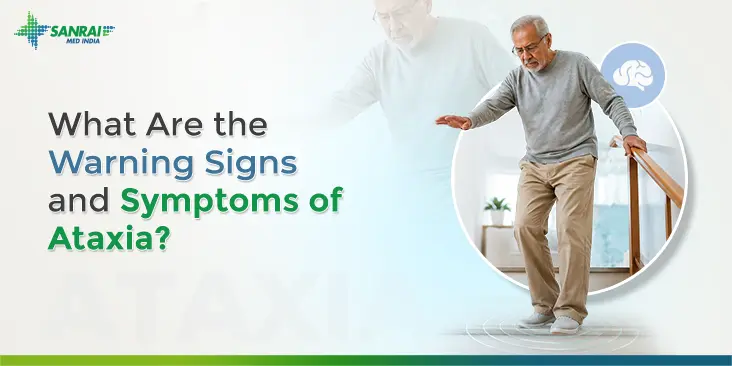
What Are the Warning Signs and Symptoms of Ataxia?
Ataxia is a neurological condition that can affect balance, coordination, movement, and speech. People with ataxia may experience difficulty walking, frequent stumbling, shaky movements, or problems with everyday activities. Recognizing the early signs of ataxia can help individuals seek timely medical evaluation and appropriate support.
What Are the Common Symptoms of Ataxia?
The symptoms of ataxia can vary depending on the underlying cause. Common symptoms may include:
Difficulty maintaining balance
Unsteady walking
Frequent stumbling or falls
Poor hand-eye coordination
Shaky or uncontrolled movements
Slurred or unclear speech
Difficulty with precise movements
Problems maintaining posture
Abnormal eye movements
Persistent or worsening symptoms should be evaluated by a healthcare professional.
Can Difficulty Walking Be a Symptom of Ataxia?
Yes. Difficulty walking is a common symptom of ataxia. A person may feel unsteady, have trouble controlling their steps, stumble frequently, or require additional support while moving.
However, walking difficulties and balance problems can have many possible causes. A professional assessment is important to determine whether symptoms are related to ataxia or another neurological or health condition.
What Causes Ataxia?
The causes of ataxia can vary. Ataxia may occur because of problems affecting parts of the nervous system involved in movement and coordination.
Possible causes include:
Genetic or inherited conditions
Stroke
Multiple sclerosis
Brain or head injury
Certain infections
Vitamin deficiencies
Certain medications
Alcohol-related neurological damage
Other neurological disorders
Identifying the underlying cause can help determine the appropriate approach to treatment and management.
How Is Ataxia Diagnosed?
Ataxia diagnosis generally begins with a medical history and neurological examination. A healthcare professional may assess balance, walking, coordination, reflexes, speech, and eye movements.
Depending on the symptoms and suspected cause, additional investigations may include blood tests, brain imaging, genetic testing, or other neurological assessments.
How Is Ataxia Treated?
Ataxia treatment depends on its underlying cause. When an underlying condition can be identified and treated, addressing that condition may help manage symptoms.
Supportive therapies such as physiotherapy, occupational therapy, and speech therapy may also help people manage movement, balance, communication, and daily activities.
How Can People With Ataxia Make Daily Activities Safer?
Because ataxia can affect balance and coordination, everyday activities may sometimes require additional support. Making the home environment more accessible and using suitable mobility or bathroom aids can help improve comfort and reduce the risk of falls.
For example, bathroom safety products may provide additional support for people who experience balance difficulties:
Raised Toilet Seat: A raised toilet seat can make sitting down and standing up easier for people who have difficulty with mobility or lower-body control.
Suction Grab Bar: A grab bar can provide additional hand support when moving around the bathroom.
Wheeled Commode Chair: A wheeled commode chair can provide a more accessible toileting option for individuals with significant mobility challenges.
The suitability of any assistive product depends on an individual's mobility, strength, balance, home environment, and specific needs. When necessary, consult a healthcare or rehabilitation professional for guidance on choosing and using mobility and bathroom aids safely.
When Should You See a Doctor for Ataxia Symptoms?
Persistent loss of balance, difficulty walking, poor coordination, or speech problems should not be ignored. Medical evaluation can help determine the underlying cause and guide appropriate management.
Sudden difficulty walking, severe loss of coordination, slurred speech, weakness, or other sudden neurological symptoms may require urgent medical attention.
Why Is Early Recognition of Ataxia Important?
Recognizing the early signs of ataxia can encourage timely medical evaluation. Although occasional clumsiness does not necessarily indicate ataxia, persistent or worsening coordination and balance problems deserve attention.
Early assessment may help identify the underlying cause and support an appropriate treatment and ataxia management plan.
Frequently Asked Questions About Ataxia
What are the first signs of ataxia?
Early signs may include poor balance, unsteady walking, frequent stumbling, difficulty coordinating movements, and changes in speech.
Can ataxia cause difficulty walking?
Yes. Difficulty walking and loss of balance are common symptoms associated with ataxia.
What causes ataxia?
Ataxia can have various causes, including genetic conditions, neurological disorders, stroke, infections, vitamin deficiencies, injuries, and certain medications.
How is ataxia diagnosed?
Diagnosis usually involves a neurological examination and may include blood tests, brain imaging, or genetic testing depending on the suspected cause.
Is ataxia treatable?
Ataxia treatment depends on the underlying cause. Some causes may be treatable, while other forms may require long-term symptom management and supportive care.
Ataxia can affect balance, coordination, walking, speech, and everyday activities. Understanding the warning signs and seeking appropriate medical evaluation can help with early identification and management.
For people experiencing mobility and balance challenges, appropriate assistive products can also provide additional support with daily activities and home safety.
If you or someone you know is experiencing persistent problems with balance, movement, or coordination, consult a qualified healthcare professional for an appropriate evaluation.


