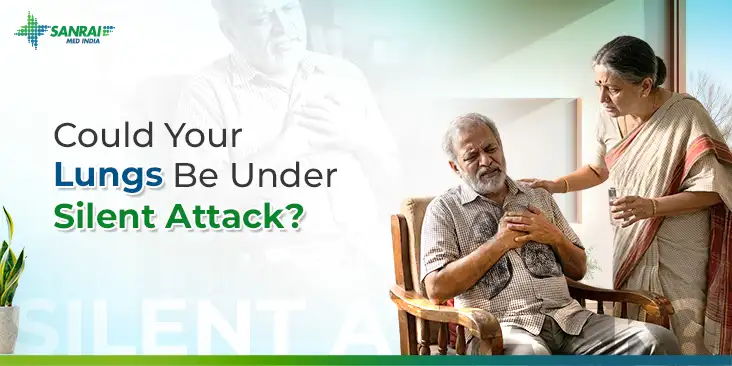
Could Your Lungs Be Under Silent Attack?
Breathing is something most people rarely think about until it becomes uncomfortable or difficult. Mild breathlessness, chest congestion, frequent coughing, or low stamina are often dismissed as temporary problems caused by weather changes, pollution, aging, or busy lifestyles. However, these symptoms can sometimes signal deeper issues within the lungs. Silent lung damage can slowly develop without obvious warning signs, gradually reducing lung capacity and affecting oxygen delivery to the body. When left unrecognized, these conditions may impact daily activities, sleep quality, and overall well-being, often requiring breathing support through an oxygen device in advanced stages.
What Does Silent Lung Damage Mean?
Silent lung damage refers to progressive injury to lung tissues and airways that occurs quietly over time. Unlike sudden infections or acute breathing problems, chronic lung conditions may develop gradually, allowing symptoms to blend into everyday life. Airways may become inflamed, narrowed, or structurally weakened, making airflow less efficient. Because discomfort may remain mild in the early stages, individuals often delay seeking medical advice until noticeable breathing difficulty develops and the need for an oxygen machine becomes more apparent.
Why Breathlessness Should Never Be Ignored?
Occasional shortness of breath after strenuous exercise can be normal. However, breathlessness during routine tasks such as walking, climbing stairs, or speaking for long periods is a signal that the lungs may not be functioning optimally. Persistent breathlessness can indicate reduced oxygen exchange or airway restriction. Ignoring this symptom allows underlying lung problems to progress silently, sometimes leading to dependency on a portable oxygen machine for daily mobility and comfort.
Common Symptoms People Often Overlook
- Persistent Mucus and Chest Congestion: Excess mucus buildup blocks airflow and creates an environment where bacteria can grow, increasing infection risk.
- Frequent Cough or Throat Clearing: A long-lasting cough may reflect chronic airway irritation or structural changes rather than a temporary illness.
- Fatigue and Low Energy Levels: Poor oxygen delivery can cause persistent tiredness, reduced concentration, and slower physical recovery.
- Repeated Chest Infections: Recurring infections often indicate weakened airway defenses and impaired mucus clearance.
- Noisy or Labored Breathing: Wheezing, crackling sounds, or heavy breathing may signal narrowed or inflamed airways.
Hidden Lung Conditions That May Cause These Symptoms
Several respiratory conditions can progress quietly before becoming severe:
Bronchiectasis
Early-stage COPD
Post-infection lung damage
Interstitial lung disease
Uncontrolled asthma complications
These conditions may eventually require long-term oxygen support using a portable oxygen concentrator or home-based oxygen device under medical supervision.
How Lung Damage Progresses Over Time?
When inflammation and mucus persist, airway walls weaken and lose elasticity. This reduces airflow efficiency and increases breathing effort. Oxygen exchange becomes less effective, placing additional strain on the heart and respiratory muscles. Over time, physical activity becomes more difficult, recovery slows, and susceptibility to infections increases, increasing the need for reliable oxygen support.
When to Seek Medical Care?
Medical evaluation should be considered when breathlessness persists for weeks, infections recur frequently, physical stamina declines, or symptoms worsen. Diagnostic tools such as lung function tests, imaging studies, and specialist consultations allow early identification and appropriate management before dependence on an oxygen machine or portable oxygen device becomes necessary.
Treatment and Breathing Support Options
Treatment strategies depend on the underlying condition and severity. Options may include inhaled medications, airway clearance therapy, pulmonary rehabilitation, lifestyle modifications, and oxygen support when oxygen levels fall below healthy ranges. For many patients, a portable oxygen concentrator or portable oxygen machine helps maintain mobility while ensuring consistent oxygen delivery.
iGo2 Oxygen Machine for Portable Oxygen Support
The iGo2 Oxygen Machine is a smart portable oxygen concentrator designed for individuals who experience low oxygen levels or breathing difficulty during daily activities. This advanced portable oxygen device automatically adjusts oxygen delivery based on activity levels, helping maintain stable oxygen saturation throughout the day. Lightweight and compact, this portable oxygen machine allows users to remain active while receiving reliable oxygen support at home, outdoors, or while traveling.
Why Choose the iGo2 Oxygen Machine:
Intelligent auto-adjusting oxygen delivery
Lightweight and travel-friendly design
Quiet operation for daily comfort
Dependable battery performance for extended mobility
Easy controls for hassle-free use
Who Needs the iGo2 Portable Oxygen Device:
Patients with bronchiectasis, COPD, or lung damage
Individuals experiencing low oxygen levels during activity
Elderly users needing a reliable oxygen device
People requiring a portable oxygen machine for travel and daily movement
Benefits of Using This Portable Oxygen Concentrator:
Maintains healthy oxygen saturation
Reduces breathlessness and fatigue
Supports mobility and independence
Enhances comfort and confidence in daily activities
Promotes better recovery and endurance
Protecting Your Lung Health
Maintaining lung health requires avoiding smoking, limiting pollution exposure, staying physically active, maintaining good hydration, and following prescribed treatments. Vaccinations, regular medical checkups, and early attention to symptoms reduce long-term complications and delay the need for long-term oxygen therapy.
Silent lung damage can progress quietly while symptoms appear mild or manageable. Recognizing early warning signs such as breathlessness, persistent cough, and mucus buildup allows timely diagnosis and better outcomes. With appropriate medical care and access to a reliable portable oxygen concentrator, portable oxygen device, or advanced oxygen machine, individuals can protect lung health, improve breathing comfort, and maintain an active lifestyle.


