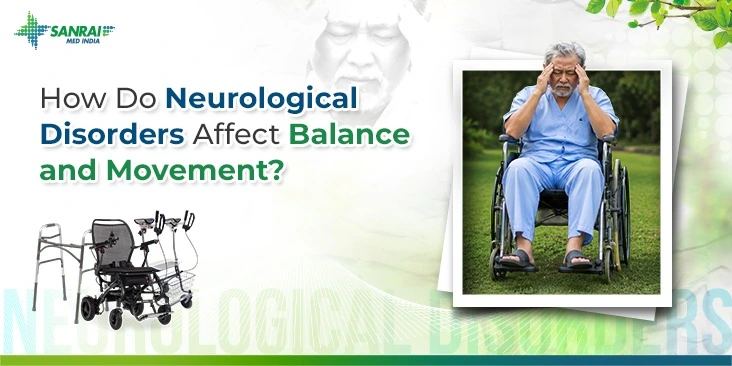
How Do Neurological Disorders Affect Balance and Movement?
Sudden mobility loss can affect a person’s independence, confidence, and daily lifestyle. Neurological conditions, spinal cord disorders, and nerve signal damage can make walking, standing, and balancing extremely difficult within a short period of time. Many individuals eventually require mobility support equipment to improve safety, movement, and comfort.
What Is Sudden Mobility Loss?
Sudden mobility loss refers to a rapid decline in physical movement and coordination. It can affect muscle control, balance, posture, and walking ability.
Why Balance and Movement Problems Should Not Be Ignored
Ignoring mobility symptoms may increase the risk of falls, injuries, and long-term physical disability.
How Nerve Signal Damage Affects Daily Life
Damaged nerve communication can affect body movement, coordination, posture, and physical independence.
What Causes Sudden Mobility Loss in Adults?
Neurological Disorders and Their Impact on Movement
Neurological disorders can interrupt communication between the brain and muscles, affecting mobility and body control. These conditions may damage nerves, the spinal cord, or specific areas of the brain responsible for balance and coordination. As a result, people may experience weakness, difficulty walking, reduced muscle control, and slower body movements.
Spinal Cord Inflammation and Nerve Damage
Spinal cord inflammation may lead to weakness, numbness, paralysis, and severe movement difficulties. When inflammation damages nerve pathways, signals from the brain cannot properly reach different parts of the body. This can affect walking ability, posture, balance, and physical coordination.
Autoimmune Conditions Linked to Mobility Problems
Certain autoimmune disorders can damage nerves and affect balance, coordination, and muscle strength.
Injuries and Infections That Affect Body Control
Spinal injuries and infections may interfere with nerve signals and reduce physical movement.
How Do Neurological Disorders Affect Balance and Movement?
The Connection Between the Brain, Spinal Cord, and Muscles - The nervous system controls movement by sending signals from the brain to the muscles.
Why Coordination and Stability Become Difficult - Nerve damage can reduce stability, coordination, and overall physical balance.
Common Symptoms Related to Movement Disorders - Common symptoms include weakness, numbness, balance problems, muscle stiffness, and difficulty walking.
Mobility Support Equipment for Better Independence
Wheelchair Support for Severe Mobility Loss - A wheelchair can help individuals with severe weakness or paralysis move safely and maintain daily independence. Manual and electric wheelchairs provide mobility support for indoor and outdoor movement while reducing physical strain and fall risk. They also help improve comfort and accessibility during everyday activities.
Rollators for Improved Walking Stability - A rollator provides additional support and balance assistance for individuals who struggle with unstable walking. Rollators usually include wheels, hand brakes, and seating support, making them useful for people who experience fatigue, dizziness, or coordination problems during movement.
Walkers for Everyday Movement Assistance - A walker helps improve stability and reduces the risk of falls during daily movement. It is commonly recommended for individuals recovering from neurological conditions, injuries, or muscle weakness. Walkers provide better body support and improve confidence while walking.
Mobility Scooters for Comfortable Outdoor Travel - A mobility scooter can support individuals who experience fatigue, weakness, or limited walking endurance. These scooters are designed to provide comfortable travel support for shopping, outdoor movement, and daily activities without putting pressure on the body.
Power Wheelchairs for Advanced Mobility Support - A power wheelchair offers controlled movement and greater independence for people with serious neurological mobility challenges. Powered controls make it easier for users with limited upper body strength to move safely and independently in different environments.
Walking Canes for Better Balance Control - A walking cane can improve posture, balance, and confidence while walking. It helps distribute body weight more evenly and provides extra support for individuals with mild balance issues or lower body weakness.
Gait Trekker for Posture and Rehabilitation - A gait trekker supports posture improvement and physical rehabilitation for individuals with limited movement.
What Are the Early Signs of Mobility and Balance Disorders?
Sudden Weakness in Legs or Arms - Unexpected weakness may indicate spinal cord or nerve involvement.
Difficulty Walking or Standing - Walking instability and poor posture are common early warning signs.
Numbness, Tingling, and Muscle Stiffness - Many neurological conditions begin with tingling sensations, numbness, or stiffness.
Loss of Coordination and Frequent Falls - Reduced coordination can increase the risk of falls and injuries.
How Are Neurological Mobility Disorders Diagnosed?
Neurological Examinations - Doctors evaluate reflexes, coordination, balance, and muscle strength.
MRI and Spinal Cord Imaging - MRI scans help identify spinal cord inflammation and nerve abnormalities.
Blood Tests and Nerve Function Tests - Additional tests may help diagnose infections, autoimmune disorders, or nerve damage.
Treatment Options for Mobility and Movement Disorders
Medications for Inflammation and Nerve Damage - Medications may reduce inflammation, manage symptoms, and support recovery.
Physical Rehabilitation and Therapy - Physical rehabilitation improves flexibility, balance, and muscle strength. Rehabilitation exercises are designed to help individuals regain mobility, improve coordination, and increase independence in daily activities. Regular therapy sessions may also reduce stiffness and improve posture.
Pain Management and Supportive Care - Pain management therapies can improve comfort and daily quality of life.
Home Accessibility Solutions for Better Mobility
Ramps for Wheelchair Accessibility - Accessibility ramps help wheelchair users move safely between different levels without difficulty. They improve home and building accessibility while reducing the risk of accidents caused by stairs or uneven surfaces.
Grab Bars for Additional Bathroom Safety - Grab bars provide support and reduce the risk of slipping or falling.
Non-Slip Flooring for Better Stability - Non-slip flooring improves safety for individuals with balance disorders.
How to Manage Long-Term Mobility Challenges
Lifestyle Changes for Better Independence - Healthy lifestyle habits and rehabilitation programs can improve physical independence.
Emotional and Mental Health Support - Support groups and counseling can help individuals cope with mobility limitations.
Importance of Regular Medical Follow-Up - Routine medical checkups help monitor neurological symptoms and treatment progress.
When Should You Seek Medical Attention?
Symptoms That Require Immediate Care - Seek medical help for sudden paralysis, severe weakness, loss of balance, or intense nerve pain.
Why Early Diagnosis Improves Recovery Chances - Early diagnosis and treatment may reduce long-term mobility complications.
Frequently Asked Questions
Q. Can Sudden Mobility Loss Be Reversed?
Recovery depends on the severity of nerve damage and the underlying condition.
Q. Are Neurological Movement Disorders Permanent?
Some neurological disorders improve with rehabilitation, while others may cause long-term disability.
Q. What Treatments Help Improve Mobility?
Rehabilitation therapy and mobility support equipment can help improve daily movement.
Sudden mobility loss and neurological movement disorders can significantly affect physical independence and quality of life. Early diagnosis, rehabilitation, and the right mobility support equipment can help individuals improve safety, comfort, and daily movement.
Key Takeaways About Movement and Balance Disorders
Neurological disorders can affect balance and movement
Mobility aids improve independence and safety
Early medical treatment supports better recovery
Rehabilitation helps improve physical function
Importance of Early Awareness and Rehabilitation
Awareness, early treatment, and proper rehabilitation can help individuals manage mobility challenges more effectively.


