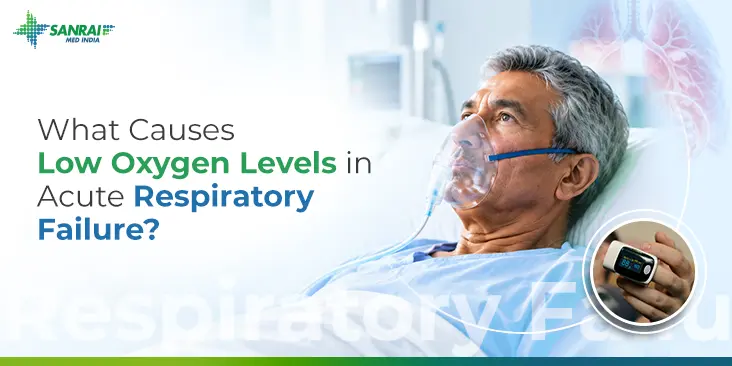
What Causes Low Oxygen Levels in Acute Respiratory Failure?
Acute respiratory failure is a serious condition that occurs when the lungs suddenly cannot provide enough oxygen to the body or remove enough carbon dioxide from the blood. It can develop because of severe lung disease, infections, airway problems, or other medical conditions. Recognizing the warning signs and understanding how low oxygen levels are managed can help people seek timely medical attention.
What Is Acute Respiratory Failure?
Acute respiratory failure occurs when the respiratory system cannot maintain adequate oxygen or carbon dioxide levels in the blood. When blood oxygen becomes too low, it is known as hypoxemia. In some cases, carbon dioxide can also build up.
Unlike chronic respiratory failure, which develops over time, acute respiratory failure can develop quickly and may require immediate medical treatment and respiratory support.
Can Lung Disease Increase the Risk of Acute Respiratory Failure?
Yes. Several lung diseases can increase the risk of acute respiratory failure, particularly when they are severe or suddenly worsen.
Conditions that may contribute include:
COPD and emphysema
Pneumonia
Interstitial lung disease (ILD)
Pulmonary fibrosis
Idiopathic pulmonary fibrosis (IPF)
Bronchiectasis
Severe asthma
Cystic fibrosis
Pulmonary hypertension
These conditions can affect lung function and oxygen exchange. A serious infection, inflammation, airway obstruction, or worsening of an existing lung condition can further reduce the body's ability to maintain normal oxygen levels.
What Causes Low Oxygen Levels in Acute Respiratory Failure?
Low oxygen levels can occur when the lungs cannot transfer sufficient oxygen into the bloodstream. Common contributing factors include:
Severe lung infections: Pneumonia and other infections can cause inflammation and damage that interfere with oxygen exchange.
Airway obstruction: Severe narrowing or blockage of the airways can prevent adequate airflow into the lungs.
Lung inflammation or injury: Severe asthma and acute lung injury can interfere with normal breathing and oxygen transfer.
Fluid in the lungs: Fluid accumulation can make it difficult for oxygen to pass efficiently into the bloodstream.
Advanced lung disease: Conditions such as COPD and pulmonary fibrosis can reduce the lungs' ability to maintain adequate oxygenation.
When oxygen levels become significantly low, the body's organs may not receive enough oxygen, making prompt medical assessment important.
How Does Acute Respiratory Failure Affect Oxygen Levels?
One of the major effects of acute respiratory failure is a significant reduction in blood oxygen. Healthcare professionals may use pulse oximetry to estimate oxygen saturation and arterial blood gas testing to assess oxygen and carbon dioxide levels more precisely.
Low oxygen may be associated with symptoms such as severe breathlessness, rapid breathing, confusion, unusual drowsiness, weakness, or bluish discoloration of the lips or skin.
A home pulse oximeter can provide useful information, but a single reading should not be used to diagnose acute respiratory failure. Symptoms and the overall clinical condition also need to be assessed by a healthcare professional.
What Are the Warning Signs of Acute Respiratory Failure?
Warning signs may include:
Severe or rapidly worsening breathlessness
Very rapid breathing
Confusion or changes in alertness
Extreme weakness or unusual drowsiness
Bluish lips, face, or fingertips
Difficulty speaking because of breathlessness
A significant decrease in measured oxygen saturation
Sudden severe breathing difficulty, confusion, or bluish discoloration can indicate a medical emergency. Seek emergency medical care immediately if these symptoms occur.
How Is Acute Respiratory Failure Diagnosed?
Doctors may use several tests to identify acute respiratory failure and determine its underlying cause. These may include:
Physical examination
Pulse oximetry
Arterial blood gas testing
Chest X-ray
CT imaging when appropriate
Blood tests
Other heart and lung assessments
The tests used depend on the person's symptoms, medical history, and suspected cause.
How Is Acute Respiratory Failure Treated?
Treatment depends on the cause and severity of the condition. Doctors may treat infections, airway inflammation, fluid accumulation, or other underlying problems.
In more serious cases, respiratory support may be required. Depending on the patient's condition, this can include oxygen therapy, non-invasive ventilation, or mechanical ventilation.
When Is Oxygen Therapy Needed?
Oxygen therapy may be prescribed when blood oxygen levels are too low. In hospitals, oxygen can be delivered using different systems based on the patient's clinical needs.
For eligible patients who require prescribed oxygen outside a hospital, an oxygen concentrator may be an option. An oxygen concentrator takes air from the surrounding environment and delivers concentrated oxygen for therapeutic use.
A stationary oxygen concentrator is generally intended for home use, while a portable oxygen concentrator is designed to provide greater mobility for suitable patients.
An oxygen machine should not be selected or used based only on symptoms. The required oxygen flow, duration of use, and type of device should be determined by a healthcare professional.
Can Acute Respiratory Failure Be Prevented?
Not every case can be prevented. However, managing existing lung diseases, following prescribed treatments, avoiding smoking, limiting exposure to respiratory irritants, and taking appropriate measures to prevent respiratory infections may help reduce certain risks.
People with chronic lung conditions should discuss worsening breathing symptoms or changes in oxygen levels with their healthcare professional.
When Should You Seek Emergency Medical Care?
Sudden or severe breathing difficulty requires urgent attention, particularly when accompanied by confusion, bluish lips or skin, severe weakness, reduced alertness, or rapidly worsening symptoms.
Because acute respiratory failure can progress quickly, immediate medical evaluation may be necessary.
Frequently Asked Questions
Is acute respiratory failure dangerous?
Yes. Acute respiratory failure can be a serious medical emergency because inadequate oxygen or excessive carbon dioxide can affect vital organs.
Can COPD cause acute respiratory failure?
Severe COPD or a sudden worsening of COPD can contribute to respiratory failure, particularly when breathing and oxygenation become significantly impaired.
Does acute respiratory failure always require oxygen?
No. Treatment depends on the underlying cause and the person's oxygen and carbon dioxide levels. Supplemental oxygen may be prescribed when oxygen levels are too low.
Can an oxygen concentrator treat acute respiratory failure?
An oxygen concentrator can provide supplemental oxygen when prescribed, but it does not treat the underlying cause of acute respiratory failure. Severe cases may require hospital-based treatment and other forms of respiratory support.
What is the difference between an oxygen machine and an oxygen concentrator?
“Oxygen machine” is a general term commonly used for devices that provide supplemental oxygen. An oxygen concentrator is a specific device that concentrates oxygen from surrounding air.
Medical Disclaimer
This content is provided for general health and educational purposes only and is not intended to replace professional medical advice, diagnosis, or treatment. Acute respiratory failure can be a medical emergency. If you or someone else experiences severe or rapidly worsening breathing difficulty, confusion, bluish lips or skin, or other serious symptoms, seek emergency medical care immediately. Oxygen therapy should only be started, adjusted, or discontinued under the guidance of a qualified healthcare professional. Always follow your prescribed oxygen flow rate, duration, and device instructions.
Acute respiratory failure can develop suddenly when the lungs cannot maintain adequate oxygen or carbon dioxide levels. Conditions such as COPD, pneumonia, pulmonary fibrosis, ILD, and severe asthma can increase the risk.
Recognizing warning signs such as severe breathlessness, confusion, bluish discoloration, or rapidly worsening symptoms is important. Oxygen therapy, oxygen concentrators, portable oxygen concentrators, and other forms of respiratory support may be used when medically appropriate. Oxygen should always be used according to professional medical advice and prescribed requirements.


