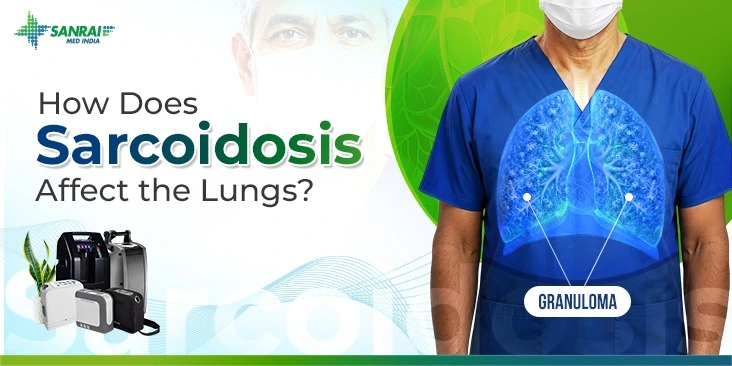
How Does Sarcoidosis Affect the Lungs?
Sarcoidosis is a rare inflammatory disease that can affect multiple organs throughout the body, but the lungs are the most commonly involved. The condition causes clusters of inflammatory cells called granulomas to develop within tissues. When these granulomas form in the lungs, they can interfere with normal breathing and gradually impact overall respiratory health. Understanding how sarcoidosis affects the lungs is important because early diagnosis and treatment may help reduce complications and improve quality of life.
What Is Sarcoidosis?
Sarcoidosis is an inflammatory condition that occurs when the immune system becomes overactive and forms granulomas in different organs. While some people experience mild symptoms, others may develop long-term complications that affect daily activities and overall respiratory function.
How Does Sarcoidosis Develop in the Body?
Although the exact cause of sarcoidosis remains unknown, researchers believe that genetic and environmental factors may contribute to its development. The body's immune system reacts abnormally, leading to inflammation that can affect various organs and contribute to chronic lung disease in some patients.
Which Organs Are Most Commonly Affected by Sarcoidosis?
Sarcoidosis can affect the lungs, lymph nodes, skin, eyes, heart, and liver. However, the lungs are involved in most cases, making the condition a significant concern for specialists focused on pulmonary care. Lung involvement is often responsible for many of the symptoms that lead individuals to seek medical attention.
How Does Sarcoidosis Affect the Lungs?
Sarcoidosis affects the lungs when granulomas form within lung tissue and surrounding lymph nodes. These inflammatory clusters can disrupt normal lung structure and interfere with oxygen exchange. Over time, persistent inflammation may contribute to declining lung function, making breathing increasingly difficult.
What Happens When Granulomas Form in the Lungs?
Granulomas are small clusters of immune cells that develop in response to inflammation. When they accumulate in the lungs, they can restrict airflow and reduce the lungs' ability to work efficiently. This process may eventually lead to noticeable breathing difficulties, especially during physical activity.
How Does Lung Inflammation Affect Breathing?
Inflammation can make lung tissue less flexible and reduce its ability to expand normally during inhalation. As a result, patients may struggle to take deep breaths and experience worsening shortness of breath over time. Even routine activities such as walking or climbing stairs may become challenging.
Can Sarcoidosis Reduce Lung Function Over Time?
Yes. In some individuals, ongoing inflammation can damage healthy lung tissue and reduce the lungs' capacity to absorb oxygen. This decline may eventually result in low oxygen levels, particularly in advanced stages of the disease.
Why Does Sarcoidosis Make It Difficult to Breathe?
Breathing difficulties occur because inflammation and scarring interfere with the lungs' ability to transfer oxygen into the bloodstream. As lung tissue becomes damaged, patients may experience worsening symptoms and develop serious respiratory complications that require ongoing medical management.
How Does Sarcoidosis Cause Shortness of Breath?
When oxygen transfer becomes less efficient, the body receives less oxygen during physical activity and even at rest. Patients often describe feeling breathless after performing simple tasks. In more advanced cases, healthcare providers may recommend an oxygen concentrator to support oxygen delivery.
Why Do Some Patients Experience a Persistent Cough?
A chronic cough can develop when inflammation irritates the airways. This symptom may persist for months and is commonly seen in individuals with pulmonary sarcoidosis, even when other symptoms appear mild.
Can Sarcoidosis Cause Wheezing or Chest Discomfort?
Yes. Airway inflammation may narrow breathing passages and create sensations of chest tightness. These symptoms are frequently associated with chronic respiratory conditions and should not be ignored, particularly when they continue for an extended period.
What Are the Common Symptoms of Pulmonary Sarcoidosis?
Symptoms vary from person to person and may develop gradually. Some individuals experience only mild discomfort, while others face significant limitations due to worsening oxygen therapy needs as the disease progresses.
Is Breathlessness an Early Sign of Sarcoidosis?
Breathlessness is one of the most common symptoms associated with lung involvement. As lung inflammation increases, patients may notice reduced stamina and increasing dependence on a portable oxygen concentrator during physical activity.
Can Sarcoidosis Cause Fatigue and Weakness?
Yes. Fatigue is one of the most frequently reported symptoms of sarcoidosis. Reduced oxygen delivery throughout the body can contribute to low energy levels, making a portable oxygen machine beneficial for some individuals who require supplemental oxygen while maintaining mobility.
What Other Respiratory Symptoms Should You Watch For?
Additional symptoms may include persistent coughing, chest pain, wheezing, and reduced exercise tolerance. Patients experiencing severe symptoms may eventually require an oxygen machine to support their breathing requirements.
Can Sarcoidosis Lead to Respiratory Failure?
Although many cases remain mild, severe lung involvement can lead to respiratory failure if left untreated. This occurs when the lungs are no longer able to provide sufficient oxygen to meet the body's needs, creating a serious chronic respiratory disease situation.
What Is Respiratory Failure?
Respiratory failure is a condition in which oxygen levels become dangerously low or carbon dioxide levels become too high. It represents one of the most serious complications associated with advanced lung disorders.
How Can Advanced Sarcoidosis Affect Oxygen Levels?
Extensive inflammation and lung scarring can significantly impair oxygen exchange. As a result, some patients develop persistent oxygen deficiency, requiring ongoing medical monitoring and treatment.
What Are the Warning Signs of Severe Lung Involvement?
Warning signs may include severe breathlessness, chronic fatigue, persistent coughing, reduced exercise capacity, and low oxygen saturation. These symptoms may indicate progression toward advanced pulmonary disease and require prompt medical attention.
Can Sarcoidosis Cause Permanent Lung Damage?
Yes. Long-standing inflammation can lead to structural changes within the lungs that may not be reversible. This type of damage can have a lasting impact on overall lung health and daily functioning.
What Is Pulmonary Fibrosis?
Pulmonary fibrosis refers to the formation of scar tissue within the lungs. This scarring reduces lung flexibility and can significantly worsen breathing support requirements over time.
Can Lung Scarring Be Prevented?
Early diagnosis and appropriate treatment can help reduce inflammation and lower the risk of extensive scarring. Effective disease management may help preserve healthy oxygen levels and protect lung function.
How Does Early Diagnosis Help Protect Lung Function?
Identifying sarcoidosis before significant damage occurs allows healthcare providers to begin treatment sooner. This approach may reduce the need for long-term supplemental oxygen and improve long-term outcomes.
How Is Pulmonary Sarcoidosis Diagnosed?
Diagnosing sarcoidosis typically involves a combination of medical history, physical examination, imaging studies, and laboratory testing. Accurate diagnosis is essential for developing an effective respiratory treatment plan.
What Tests Are Used to Diagnose Sarcoidosis?
Doctors may recommend blood tests, pulmonary function tests, chest imaging, and biopsies to evaluate the extent of disease and assess pulmonary function.
Can Imaging Scans Detect Lung Sarcoidosis?
Chest X-rays and CT scans are commonly used to identify inflammation, enlarged lymph nodes, and lung abnormalities associated with interstitial lung disease patterns.
Why Is a Biopsy Sometimes Required?
A biopsy allows doctors to confirm the presence of granulomas and distinguish sarcoidosis from other conditions that may cause similar respiratory symptoms.
How Is Sarcoidosis Treated?
Treatment depends on symptom severity, organ involvement, and disease progression. The goal is to reduce inflammation, preserve organ function, and maintain breathing capacity.
What Are the Most Common Treatment Options?
Common treatments include corticosteroids, immunosuppressive medications, and regular monitoring. These therapies aim to control inflammation and support long-term respiratory wellness.
Can Sarcoidosis Improve Without Treatment?
Some cases resolve naturally without extensive medical intervention. However, regular follow-up remains important to monitor changes in lung performance.
When Is Long-Term Treatment Necessary?
Long-term treatment may be required when symptoms persist, lung function declines, or complications increase the risk of chronic oxygen dependence.
When Is Oxygen Therapy Needed for Sarcoidosis?
Oxygen therapy may be necessary when lung damage prevents adequate oxygen delivery throughout the body. It can help improve comfort, activity levels, and overall quality of breathing.
Can Sarcoidosis Cause Low Oxygen Levels?
Yes. Advanced disease may impair oxygen exchange and contribute to chronic hypoxemia, a condition characterized by persistently low blood oxygen levels.
Who May Benefit From Oxygen Therapy?
Patients with severe breathlessness, reduced oxygen saturation, or exercise-induced oxygen drops may benefit from a home oxygen concentrator as part of their treatment plan.
What Types of Oxygen Therapy Are Available?
Available options include stationary systems, portable devices, and oxygen cylinders. Many active individuals prefer a portable oxygen system because it allows greater independence and mobility.
What Is the Long-Term Outlook for People With Sarcoidosis?
The outlook varies depending on disease severity and response to treatment. Many individuals successfully manage their condition and maintain good respiratory well-being for years.
Can People With Sarcoidosis Live a Normal Life?
Yes. With proper treatment, lifestyle modifications, and regular medical care, many patients continue to enjoy an active and productive life while maintaining healthy lung capacity.
What Factors Influence Recovery and Prognosis?
Factors include age, disease severity, extent of lung involvement, and response to therapy. Managing chronic lung conditions effectively can improve long-term outcomes.
How Can Patients Support Their Lung Health?
Avoiding smoking, staying physically active, following medical advice, and attending regular checkups can help preserve pulmonary health and reduce complications.
Frequently Asked Questions About Sarcoidosis
Is Sarcoidosis a Serious Disease?
Sarcoidosis can range from mild to severe. Some individuals recover fully, while others develop chronic respiratory problems that require ongoing treatment.
Can Sarcoidosis Be Cured?
There is no guaranteed cure, but effective management can help control symptoms and maintain healthy breathing.
Is Sarcoidosis Hereditary?
Genetics may play a role in susceptibility, but researchers continue to study the exact causes of this inflammatory lung condition.
Can Sarcoidosis Return After Treatment?
Yes. Some individuals experience relapses and may require additional lung care to manage recurring symptoms.
When Should You See a Doctor for Sarcoidosis Symptoms?
Persistent coughing, unexplained breathlessness, chest discomfort, and fatigue should always be evaluated by a healthcare provider specializing in respiratory medicine.
Sarcoidosis is a rare inflammatory disease that most commonly affects the lungs and can significantly impact breathing. Early diagnosis, proper treatment, and ongoing monitoring are essential for protecting lung function and reducing complications. In advanced cases, supportive options such as oxygen therapy and oxygen concentrators may help improve quality of life and maintain independence.


