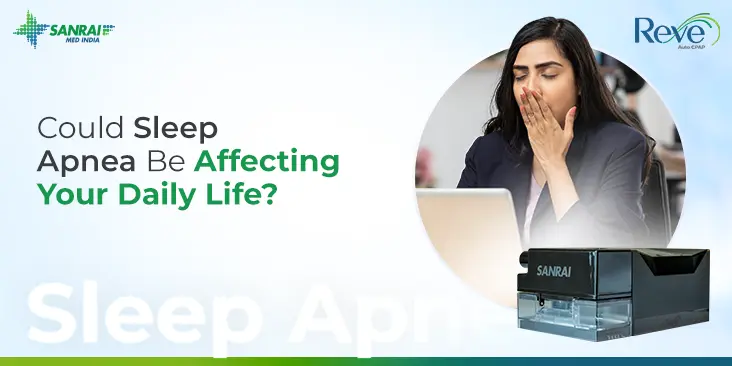
Could Sleep Apnea Be Affecting Your Daily Life?
Are you getting enough hours of sleep but still waking up tired? Do you snore loudly or wake up gasping for air? These could be signs of sleep apnea, a common sleep-related breathing disorder that causes breathing to repeatedly stop and restart during sleep. Obstructive Sleep Apnea (OSA) is the most common type of sleep apnea and can affect sleep quality, daytime energy and overall health. Understanding sleep apnea symptoms, diagnosis and treatment options such as CPAP therapy can help people recognize the condition and seek appropriate medical care.
What Is Sleep Apnea?
What happens to your breathing during sleep?
Sleep apnea occurs when normal breathing is repeatedly interrupted during sleep. In Obstructive Sleep Apnea (OSA), the muscles and tissues in the throat relax and cause the upper airway to become narrow or blocked. These repeated breathing interruptions can reduce airflow and may affect oxygen levels during the night.
Because these events happen while a person is asleep, they may not realize that their breathing is being interrupted. A partner or family member may be the first person to notice loud snoring, gasping or pauses in breathing.
What are the main types of sleep apnea?
The two main types are Obstructive Sleep Apnea (OSA) and Central Sleep Apnea (CSA). OSA occurs when the upper airway becomes blocked during sleep. Central sleep apnea occurs when the brain does not send the appropriate signals to the muscles responsible for breathing.
The symptoms and treatment of sleep apnea can vary depending on the type, so proper medical evaluation is important.
Can Your Breathing Stop While You Sleep?
What causes breathing interruptions?
In obstructive sleep apnea, the throat muscles relax during sleep and can partially or completely block the airway. This can cause repeated episodes where breathing becomes shallow or temporarily stops.
The brain may briefly wake the person to restore normal breathing. These brief awakenings can happen many times during the night and may occur without the person remembering them in the morning.
What are the warning signs?
Common sleep apnea symptoms include loud or persistent snoring, gasping or choking during sleep, witnessed breathing pauses, dry mouth, morning headaches, restless sleep and excessive daytime sleepiness.
If these symptoms occur regularly, they should not simply be dismissed as normal snoring or tiredness. A healthcare professional can determine whether a sleep apnea test or sleep study is appropriate.
Why Are You Still Tired After a Full Night’s Sleep?
How does sleep apnea affect sleep quality?
A person with sleep apnea may spend enough time in bed but still experience poor-quality sleep. Repeated breathing interruptions can disturb normal sleep patterns and prevent the body from getting consistent, restorative sleep.
This is one reason why someone may say, “I sleep for eight hours, but I still feel tired.”
Why can you feel exhausted during the day?
Poor sleep caused by untreated sleep apnea can contribute to daytime sleepiness, fatigue, difficulty concentrating, reduced alertness and problems with memory.
Excessive daytime sleepiness can also become a safety concern, particularly when driving or performing activities that require continuous attention.
How Can Sleep Apnea Affect Your Daily Life?
Can sleep apnea affect concentration and energy?
Yes. Untreated sleep apnea can affect how alert and focused you feel during the day. Poor-quality sleep may make it harder to concentrate, remember information, complete daily activities and maintain normal energy levels.
Some people may assume these problems are caused by stress, a busy lifestyle or lack of sleep when an underlying sleep disorder may be contributing.
What health problems can untreated sleep apnea cause?
Sleep apnea is more than a nighttime breathing problem. Untreated obstructive sleep apnea is associated with several health concerns, including high blood pressure and cardiovascular problems.
Managing sleep apnea can therefore be an important part of maintaining better sleep and supporting overall health.
Who Is at Risk of Sleep Apnea?
What factors increase your risk?
Several factors can increase the risk of obstructive sleep apnea, including excess body weight, certain airway structures, enlarged tonsils, age and some medical conditions.
However, having one or more risk factors does not automatically mean that someone has sleep apnea. Diagnosis requires appropriate medical evaluation.
Can healthy-weight people also have sleep apnea?
Yes. Sleep apnea can affect people of different body types, including people who are not overweight. The structure of the airway and other individual factors can contribute to obstructive sleep apnea.
Therefore, symptoms such as loud snoring, gasping or witnessed breathing pauses should not be ignored simply because someone has a healthy body weight.
How Is Sleep Apnea Diagnosed?
What is a sleep study?
A sleep study for sleep apnea, also known as a sleep test or polysomnography, evaluates different body functions while you sleep. Depending on the situation, a healthcare professional may recommend an overnight sleep study at a sleep center or a home sleep apnea test.
A sleep study can help determine whether breathing interruptions are occurring and how severe the sleep apnea may be.
What do AHI and oxygen levels mean?
The Apnea-Hypopnea Index (AHI) is an important measurement used in sleep apnea diagnosis. It represents the number of apnea and hypopnea events that occur per hour of sleep.
A sleep evaluation may also assess oxygen saturation, breathing patterns, heart rate and other factors. These results help healthcare professionals determine the appropriate sleep apnea treatment.
When Do You Need CPAP Therapy?
Who may benefit from CPAP?
CPAP therapy is one of the most commonly used treatments for Obstructive Sleep Apnea (OSA). A healthcare professional may recommend CPAP based on the diagnosis, severity of sleep apnea, symptoms and individual health needs.
CPAP should not be started simply because someone snores. Proper evaluation is important to determine whether CPAP or another treatment is appropriate.
How does a CPAP machine work?
A CPAP machine delivers a continuous flow of pressurized air through a mask while you sleep. This airflow helps keep the upper airway open and can reduce breathing interruptions caused by obstructive sleep apnea.
For people who have been prescribed CPAP, consistent use as directed can be an important part of sleep apnea management.
What Happens If Sleep Apnea Is Left Untreated?
What are the potential health risks?
Leaving sleep apnea untreated can affect sleep quality, daytime alertness and overall well-being. It is also associated with health problems such as high blood pressure and cardiovascular complications.
The potential effects can vary from person to person, which is why proper diagnosis and individualized treatment are important.
Why is early diagnosis important?
Recognizing sleep apnea symptoms early can help people receive appropriate testing and treatment. Once sleep apnea has been diagnosed, a healthcare professional can recommend the most suitable treatment based on the individual's condition.
Treatment may include CPAP therapy, other PAP devices, oral appliances, lifestyle changes or other medical approaches, depending on the type and severity of sleep apnea.
When Should You See a Doctor?
Which symptoms should not be ignored?
Consider speaking with a healthcare professional if you regularly experience loud snoring, breathing pauses during sleep, nighttime gasping or choking, morning headaches, excessive daytime sleepiness or persistent fatigue.
These symptoms do not automatically mean you have sleep apnea, but they can be important warning signs that deserve evaluation.
What should you do if someone notices breathing pauses?
If your partner or family member tells you that your breathing stops while you sleep, take the information seriously. You may not be aware of these episodes yourself because they occur during sleep.
Discuss the symptoms with a healthcare professional who can determine whether a sleep study or sleep apnea test is needed.
Frequently Asked Questions About Sleep Apnea and CPAP
Can sleep apnea be treated?
Yes. Sleep apnea treatment depends on the type and severity of the condition. Treatment options may include CPAP or other PAP therapy, oral appliances, lifestyle changes and, in selected cases, other medical treatments.
Do all people with sleep apnea need CPAP?
No. Not everyone with sleep apnea needs a CPAP machine. Treatment depends on the type of sleep apnea, severity, symptoms and individual medical circumstances.
CPAP is particularly associated with the treatment of obstructive sleep apnea, but other treatment options may be considered depending on the patient.
Can CPAP improve sleep quality?
For people with obstructive sleep apnea who are appropriately prescribed CPAP, the therapy can help keep the airway open and reduce breathing interruptions during sleep. This can support more consistent breathing and better-quality sleep.
Sleep apnea is more than ordinary snoring or feeling tired in the morning. If you regularly experience loud snoring, gasping or choking during sleep, witnessed breathing pauses, morning headaches or excessive daytime sleepiness, it may be worth discussing sleep apnea testing with a healthcare professional.
For people diagnosed with Obstructive Sleep Apnea, CPAP therapy can be an important treatment option. By helping keep the airway open during sleep, a CPAP machine can support more consistent breathing and improve sleep quality. Recognizing the symptoms, getting an accurate diagnosis and following an appropriate treatment plan can make sleep apnea easier to manage and help support better overall health.


