How Does Spinal Muscular Atrophy (SMA) Affect Daily Life?
Experiencing muscle weakness from time to time is common and may result from fatigue, overexertion, or minor illnesses. However, persistent or progressive weakness should never be ignored. In some cases, it may be an early sign of Spinal Muscular Atrophy (SMA), a rare genetic muscle disorder and neuromuscular disorder that affects the body's ability to control voluntary movements.
Spinal Muscular Atrophy (SMA) occurs when motor neurons in the spinal cord gradually deteriorate, reducing the signals sent to muscles. As a result, muscles become weaker over time, affecting mobility, balance, and daily activities. Depending on the type and severity of SMA, some individuals may also experience swallowing, coughing, or breathing difficulties. Sleep-related breathing problems can occur in some cases, particularly when respiratory muscle weakness is present.
While there is currently no cure, advances in SMA treatment, rehabilitation, respiratory care, and assistive devices for SMA have improved the management of the condition. Early recognition, timely diagnosis, and appropriate mobility aids for SMA can help individuals maintain function, independence, and quality of life.
What Is Spinal Muscular Atrophy SMA?
Spinal Muscular Atrophy (SMA) is an inherited condition primarily caused by changes in the SMN1 gene. This gene provides instructions for producing Survival Motor Neuron (SMN) protein, which is essential for maintaining healthy motor neurons.
When insufficient SMN protein is produced, motor neurons gradually deteriorate. This leads to muscle weakness and muscle loss, particularly in muscles responsible for movement.
SMA mainly affects physical function and does not generally affect intelligence. However, its effects on sitting, standing, walking, swallowing, and breathing can vary significantly depending on the individual.
What Causes Spinal Muscular Atrophy?
The primary causes of Spinal Muscular Atrophy are inherited changes in the SMN1 gene. SMA generally follows an autosomal recessive inheritance pattern, meaning a child usually inherits an altered copy of the gene from both parents.
Parents can be healthy carriers without showing symptoms. Families with a history of SMA may benefit from genetic counseling and carrier screening to understand potential inheritance risks.
Common SMA Symptoms
The early signs of Spinal Muscular Atrophy can differ according to the individual's age, SMA type, and severity. Common symptoms may include:
Persistent or progressive muscle weakness
Delayed motor milestones
Difficulty sitting or standing
Walking difficulties
Frequent falls
Poor balance and coordination
Low muscle tone
Reduced reflexes
Difficulty swallowing or feeding
Weak cough
Breathing difficulties
Symptoms can develop differently from one person to another. Persistent or worsening symptoms should be assessed by a healthcare professional.
Why Early SMA Diagnosis Matters
An early SMA diagnosis allows healthcare professionals to understand the individual's condition and establish an appropriate care plan. Early identification can provide access to disease-modifying therapies, rehabilitation, respiratory monitoring, nutritional support, and mobility services.
Diagnosis commonly involves genetic testing along with clinical and neurological assessments. Early medical involvement can be particularly important because SMA may progressively affect physical function.
SMA Treatment and Rehabilitation
There is currently no cure for Spinal Muscular Atrophy (SMA), but treatment options have advanced significantly. Management is usually individualized according to the person's age, SMA type, symptoms, and functional needs.
- Disease-Modifying Therapies : Modern therapies aim to increase SMN protein availability or preserve motor neuron function. A specialist determines the most appropriate treatment based on the individual's medical circumstances.
- Physical Therapy for SMA : Physical therapy for SMA can help maintain flexibility, joint movement, posture, and functional abilities. Exercises should be individualized according to strength and tolerance to avoid excessive fatigue.
- Occupational Therapy : Occupational therapy can help individuals perform everyday activities more independently. Therapists may recommend adaptive techniques and suitable assistive technology for home, school, work, and other environments.
- Respiratory and Nutritional Care : Individuals with swallowing or respiratory difficulties may require specialized nutritional and respiratory support. Regular assessments help healthcare professionals identify changing needs and adjust care accordingly.
- SMA Rehabilitation : A personalized SMA rehabilitation program may combine physical therapy, occupational therapy, stretching, positioning, and mobility rehabilitation. The goal is to preserve function, support participation, and promote independence.
Respiratory Challenges in SMA
Respiratory health is an important part of SMA management, especially when respiratory muscles are affected. Weakness in the muscles used for breathing and coughing can make it harder to take deep breaths or clear airway secretions.
Respiratory concerns may include:
Weak cough
Difficulty clearing secretions
Reduced respiratory muscle strength
Recurrent respiratory infections
Reduced ability to take deep breaths
Healthcare professionals may monitor respiratory function and recommend appropriate support. Depending on individual needs, management can include respiratory physiotherapy, airway-clearance techniques, assisted coughing, and non-invasive respiratory support.
Sleep and SMA
Sleep-related breathing problems can occur in some people with SMA but are not present in everyone. They may be more likely when respiratory or muscle weakness affects breathing during sleep.
Possible signs include disturbed sleep, frequent nighttime awakening, morning headaches, excessive daytime sleepiness, or noticeable changes in nighttime breathing.
If these symptoms occur, a healthcare professional may recommend an appropriate sleep or respiratory assessment. Identifying sleep-related breathing concerns can help determine whether additional monitoring or respiratory support is needed.
Importance of Mobility Aids for SMA
Mobility needs can vary considerably among people with SMA. Some individuals may walk independently, while others may need assistance with standing, walking, transfers, or longer distances.
Depending on individual abilities and rehabilitation goals, mobility equipment for SMA may include walking support devices, pediatric mobility aids, gait trainers, wheelchairs, and other rehabilitation mobility devices.
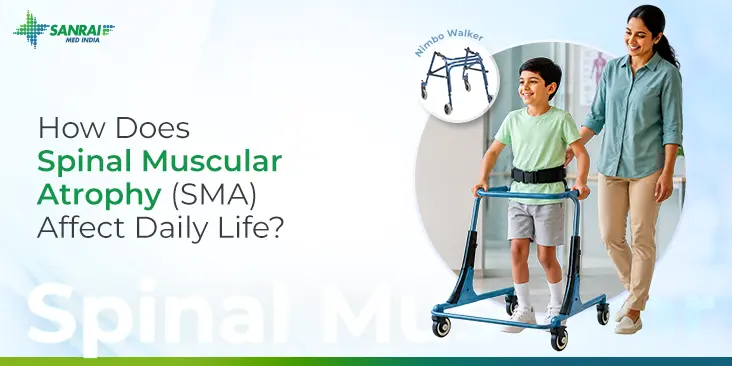
For children who can walk or are developing walking skills, the Kids walker Nimbo, also known as the Kids walker Nimbo Walker or Nimbo Posterior Walker, provides posterior support to assist stability and walking practice. As a posterior walker for kids, it may be used during therapy or everyday mobility when recommended by a qualified rehabilitation professional.
The Trekker Gait Trainer is an adjustable pediatric gait trainer designed to support upright positioning, balance, and walking practice. This gait trainer for children can be incorporated into rehabilitation programs as gait training equipment and provide standing and walking assistance for children with mobility challenges.
These mobility solutions for neuromuscular disorders can support participation in therapy, school, family activities, and everyday routines.
Living Well With SMA
Managing SMA often involves coordinated care from physicians, therapists, respiratory specialists, caregivers, and family members.
Important aspects of daily care may include:
Following the recommended treatment plan
Attending regular therapy sessions
Staying physically active within professional recommendations
Maintaining appropriate nutrition
Monitoring respiratory health
Using recommended walking aids for SMA
Choosing suitable assistive devices for SMA
Attending routine medical assessments
Supporting emotional and social wellbeing
Mobility and rehabilitation plans should be reviewed as functional abilities and individual needs change.
When Should You Consult a Doctor?
A healthcare professional should be consulted if you or your child experiences persistent muscle weakness, delayed motor milestones, difficulty standing or walking, frequent falls, poor coordination, swallowing difficulties, recurrent respiratory problems, or breathing concerns during sleep.
These symptoms can have several possible causes, so professional assessment is important before assuming they are related to SMA.
Spinal Muscular Atrophy (SMA) is a rare neuromuscular disorder that primarily affects motor neurons and muscle function. Its impact can range from movement and mobility difficulties to respiratory and swallowing challenges.
An early SMA diagnosis, appropriate SMA treatment, rehabilitation, respiratory care, and suitable mobility aids for SMA can provide important support throughout the condition.
Respiratory monitoring is particularly important when breathing muscles are affected, while sleep-related breathing problems may occur in some individuals but are not universal. For children with mobility challenges, appropriate pediatric mobility aids, gait trainers, and walking support devices can assist rehabilitation, standing, walking, and participation in everyday activities.
With personalized medical care, rehabilitation, respiratory management, and appropriate mobility support, individuals with SMA can receive the assistance needed to maintain function, independence, and quality of life.


